Brainstorming Science-Oriented Unit Plans

Although a Unit Plan appears to be simple enough to throw together, an effective teacher must organize and thoroughly plan out each lesson to assure that each student will undergo a memorable experience that will have an impact on their educational career and further enhance their knowledge. For Science Methods, it is obvious that we will be designing a unit plan that revolves around some sort of science-related topic or theme. Before starting our field work experience, we were given the general information that the theme we would be molding our lesson plans around revolved around the concept of Earth Day. After given the topic, it didn't take long to actually think and come to the conclusion that my group was going to tackle the issue of pollution and how recycling is important to acknowledge when taking care of the earth.
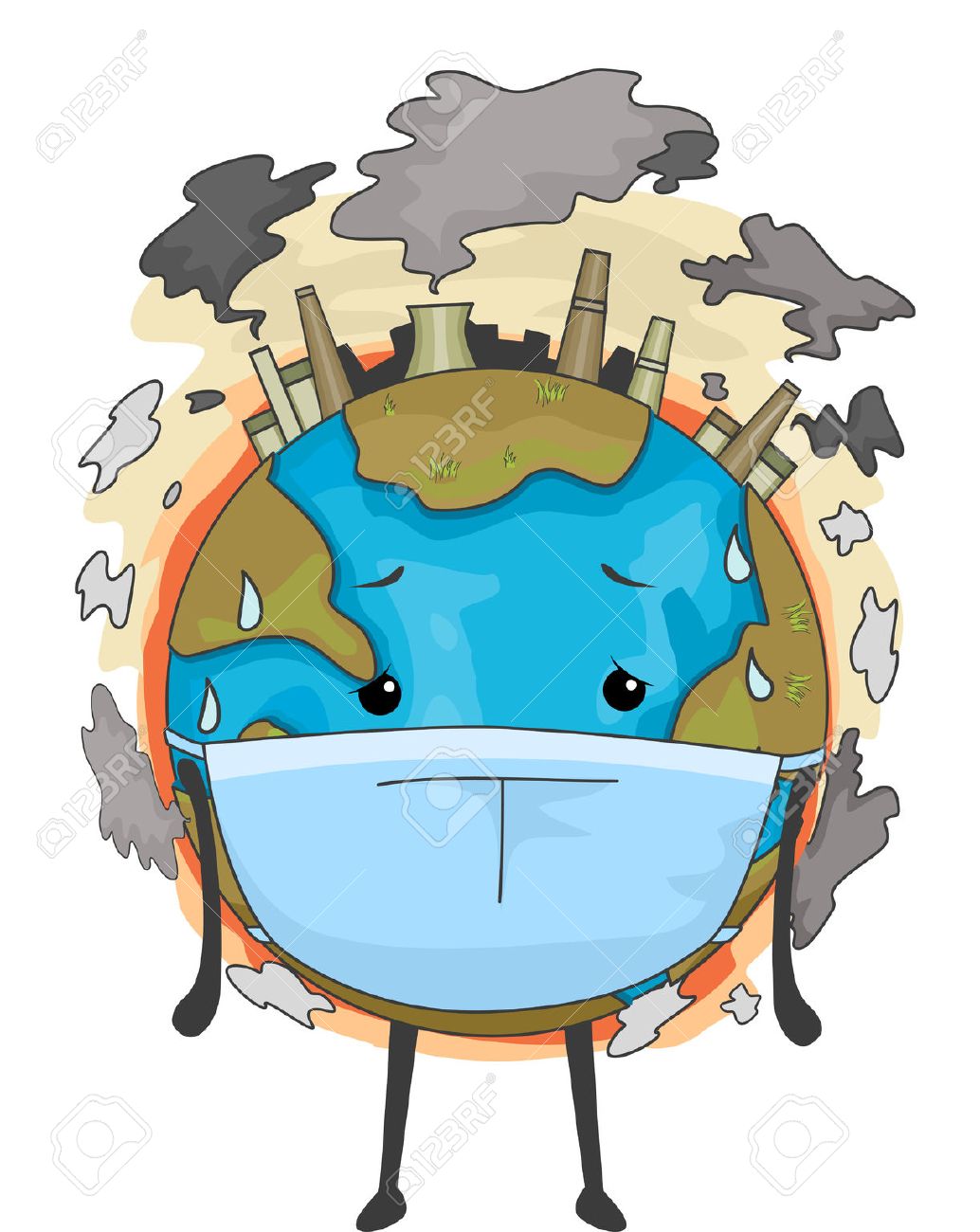
Pollution is an important concept to gather and bring to the attention of students. The lesson plans that my fellow colleagues and I are going to create revolve around air pollution, land pollution, water pollution, and recycling. All of these concepts complement one another and should be taught in discussion with each other so it would be a wise decision to discuss them in the same unit plan. The two types of lesson plans that my peers and I are going to create focus around direct instruction and inquiry/indirect instruction. Both of these types of instruction are necessary within a lesson plan to allow the students to think critically, collaborate, and gain knowledgeable information on the topic at hand.
Bloom's Taxonomy for Teachers (Revised)
The video above discusses the concepts, definitions, and examples of Bloom's Taxonomy. Bloom's Taxonomy is such an important, resourceful starting point when designing lesson plans. Bloom's Taxonomy reinforces the "action" that the students will engage in during each lesson plan and what the students should be expected to be doing. To get a better understanding of how to use Bloom's Taxonomy in lessons, I watched the above video that explained Bloom's Taxonomy in a way that teachers and future educators can interpret it. I like the way that Bloom's Taxonomy provides the user with verbs that are complex and that aid to adding specific emphasis on what the goals and objectives are for a lesson plan.
Throughout my fieldwork experience, I am interested in jumping into the teaching experience. I'm looking forward to creating lesson plans: direct, inquiry, and cooperative around the concept of pollution. There are so many things that can be done to teach pollution and I can not express how excited I am to get this process underway. I know that it will be a lot of work to include all of elements of a completed unit plan, but I know with my dedication that I will be successful yet again!
 Understanding the difference between a Lesson Plan and a Unit Plan would be the first step in developing my unit plan. I believe that this is an essential piece to creating an effective unit plan because it is important to know that the unit plan consists of multiple lesson plans and without lesson plans, there is not unit plan. The lesson plans need to flow with one another when referring to concepts. The major similarity between the two is that lesson plans and unit plans are both developed plans for teaching students information and the major difference between the two is that a lesson plan is just a single lesson while a unit plan is numerous lessons combined to be taught over a length of time.
 Can I really create a unit plan? Do I have the capability to design and teach a full unit plan in science? I am confident that I can do it. I created unit plans for other school subjects, so why wouldn't I be able to make one for science? I think that I will be fully prepared to design and implement this unit plan by the end of this course, but if I had to do it right now, I think I would be equally as successful. I have knowledge on some science factors, but not all. Depending on the scientific topic, I may have to do research, but that won't prevent me from designing an effective unit plan.
 |
| It's important for teachers to be able to determine the differences between facts, concepts, and generalizations while understanding that each topic corresponds with another. It is a cycle within itself. Factual information develops concepts and concepts enhance the ability to form logical generalizations that also refer back to the factual information in time. |


No comments:
Post a Comment